Sustainable Solutions: How E-Waste Recycling Services Are Saving Our Planet
E-waste poses significant threats to the environment, as discarded electronics often contain toxic materials. Such dangerous compounds can pollute soil and water supplies, resulting in widespread environmental harm. E-waste recycling initiatives provide a practical answer. They successfully retrieve useful resources while simultaneously minimizing environmental pollution. Gaining insight into how these programs function and affect local communities is critical. The journey towards effective e-waste management raises critical questions about individual responsibility and collective action. What measures can be pursued from this point onward?
The Reasons E-Waste Is Damaging to the Planet
Although technology enhances our daily lives, e-waste poses significant environmental threats. Disposed electronic equipment, commonly laden with hazardous materials such as cadmium, lead, and mercury, are capable of seeping pollutants into the surrounding soil and water supply, creating hazards for human health and ecosystems. The accelerating rate of technological innovation leads to increased consumer turnover of electronics, worsening the buildup of electronic waste.
Landfills, already burdened with waste, struggle to accommodate the growing volumes of discarded gadgets. Incineration, another disposal method, releases harmful pollutants into the atmosphere, contributing to air quality degradation. Moreover, poor recycling procedures can cause e-waste to be sent to developing regions, where employees may disassemble electronics without sufficient safety precautions, leaving them vulnerable to harmful substances. This pattern of negligence and mismanagement highlights the critical demand for eco-friendly recycling alternatives that can reduce the damaging impact of electronic waste on the environment.
What Is E-Waste and Why Does It Matter?
E-waste, or electronic waste, comprises discarded electronic devices like computers, smartphones, and televisions that have exceeded their operational lifespan. This rapidly expanding waste category is noteworthy owing to its accelerating volume, fueled by innovation in technology and shifting consumer habits. As growing numbers of electronics become outdated, the ecological consequences become more pronounced, with toxic materials such as lead, mercury, and cadmium presenting serious hazards to the environment and human well-being.
The importance of addressing e-waste lies not only in mitigating these hazards but also in recognizing the valuable materials it contains. Critical metals and rare earth components can be reclaimed and recycled, decreasing the reliance on mining and protecting natural resources. Through a deeper awareness of e-waste and its consequences, both individuals and organizations can make well-informed choices regarding disposal and recycling, thereby supporting a more sustainable future. Effective handling of e-waste is vital for encouraging a circular economy and advancing environmental responsibility.
How E-Waste Recycling Works
E-waste recycling entails a structured approach aimed at reclaiming useful resources while minimizing environmental impact. At the outset, electronic waste is gathered and delivered to specialized recycling facilities. Once there, the equipment is meticulously organized to distinguish harmful elements from reusable resources.
After this step, specialists take apart the products, removing plastics, metals, and glass. This process is vital, as it facilitates the retrieval of rare metals like silver, gold, and copper, which can be reused in new electronic devices.
Subsequently, the separated materials are handled through state-of-the-art techniques, such as shredding and chemical treatments, to refine them for recycling.
Ultimately, the residual hazardous waste is handled with responsibility, complying with eco-friendly standards. This systematic method not only conserves resources but also reduces the dangers associated with improper e-waste disposal, guaranteeing a greener future for the consumption of electronics.
Benefits of E-Waste Recycling for You and Your Community
Although it often goes unnoticed, the positive effects of e-waste recycling go far beyond individual benefit and actively shape entire communities. By carefully processing electronic waste, individuals contribute to a cleaner environment, minimizing hazardous materials that can leach into soil and water. This proactive approach helps preserve local ecosystems and advances public health.
Furthermore, e-waste recycling promotes employment opportunities within local communities. Nearby recycling establishments regularly need employees for a range of functions, covering everything from collection to processing, consequently creating meaningful employment within the community. This not only enhances the community economy but also promotes community participation in sustainable initiatives.
Furthermore, understanding of e-waste recycling can lead to community outreach programs, enabling residents to adopt eco-friendly choices. By taking part in e-waste recycling programs, individuals foster a culture of sustainability, encouraging others to do the same. Overall, the collective impact of these actions can create a more strong and environmentally aware community.
A Guide to Selecting an E-Waste Recycling Service
Picking the best e-waste recycling service is crucial for guaranteeing that electronic waste is handled with responsibility and sustainability. Initially, individuals should confirm the provider's accreditations, such as R2 or e-Stewards, which signify conformance to professional guidelines for safe recycling practices. It is equally important to evaluate the company's standing by reviewing feedback and looking for advice from dependable sources.
Next, clarity in the recycling process is essential. A dependable company should provide clear information about how e-waste is processed and what happens to the materials. Additionally, considering the scope of services provided can prove valuable; certain providers may offer collection services or present rewards for recycling.
Furthermore, learning about local guidelines related to e-waste disposal can help inform the choice of disposal method. By prioritizing these factors, people are able to support effective e-waste management while also advancing green and responsible behaviors.
Ways You Can Participate in E-Waste Recycling?
Engaging in e-waste recycling may begin at the local level, where recycling centers regularly supply essential services for safe disposal. Moreover, taking part in community awareness campaigns can strengthen efforts to raise awareness about the importance of responsible e-waste management. These actions not only advance environmental sustainability but also cultivate a collective sense of stewardship of the environment.
Nearby Recycling Facilities
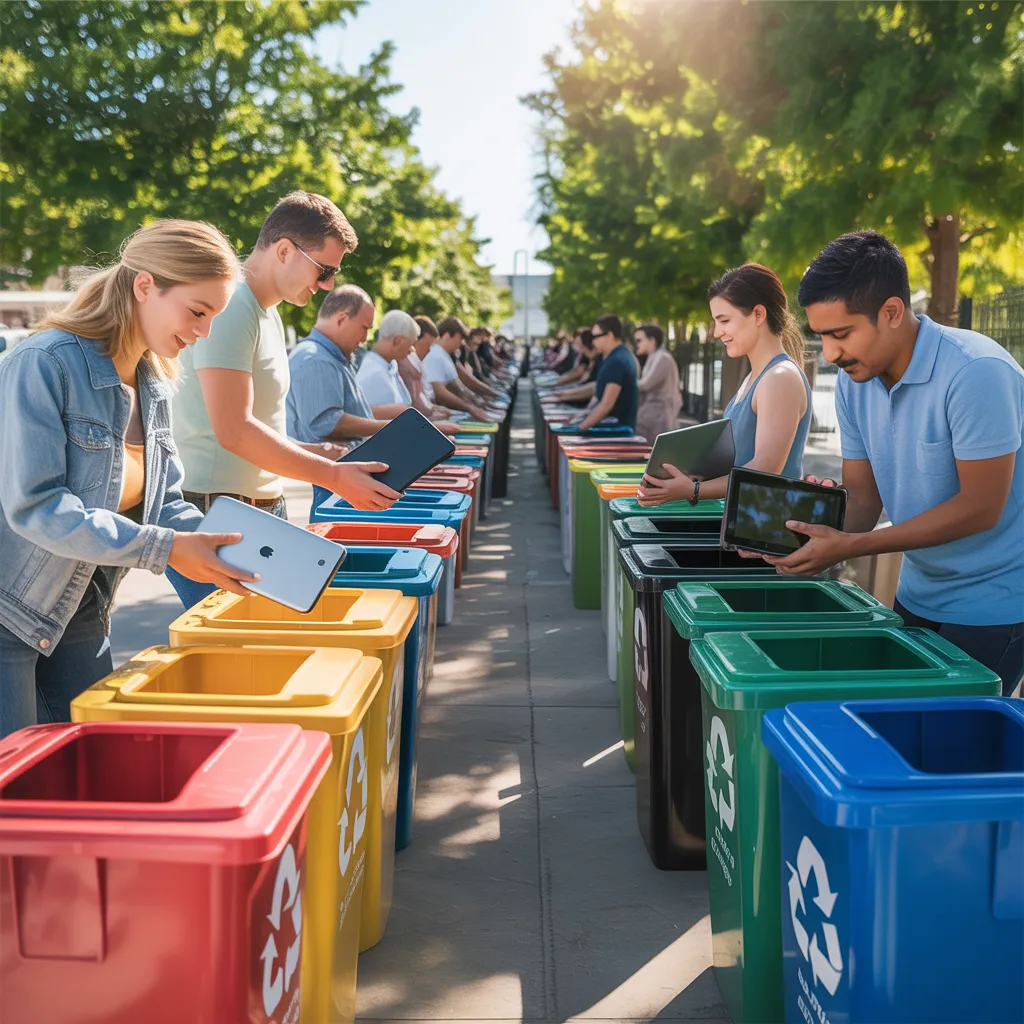
Many community recycling facilities perform an important function in electronic waste recycling, giving communities practical solutions to dispose of electronic waste responsibly. These stations receive a variety of electronic equipment, including used computers, handheld devices, and View details televisions, making certain that hazardous materials are managed safely. Most centers are equipped with experienced team members who help individuals navigate appropriate disposal procedures, highlighting the value of recycling rather than landfilling. In addition, numerous facilities provide organized drop-off opportunities or appointed collection periods, making it easy for residents to participate. By taking advantage of these neighborhood resources, residents support a circular economy, decreasing environmental damage and advancing sustainable approaches. Partnering with these facilities encourages communities to fight e-waste pollution decisively.
Public Awareness Initiatives
Nearby organizations, schools, and enterprises can work together to organize events that support e-waste collection drives. Community members can serve a critical function in raising awareness, sharing informational resources, and connecting with local residents. Through these collective efforts, residents become more informed and motivated to recycle their electronic waste, thus playing a meaningful role in creating a more environmentally responsible future.
Questions We Often Receive
What Electronic Devices Are Eligible for Recycling?
A wide range of electronics are able to be recycled, including laptops, televisions, smartphones, printers, computers, and gaming consoles. In addition, accessories such as mice, keyboards, and batteries are equally appropriate for recycling, aiding in sustainable environmental practices.
Do Any Costs Come With E-Waste Recycling?
Indeed, electronic waste recycling can include charges, depending on the service provider. Some facilities charge fees for gathering or treatment, while others make services available at no charge, typically funded by the resale of recovered materials.
How Do Businesses Gain From E-Waste Recycling?
Organizations can gain from e-waste recycling by minimizing disposal costs, strengthening their ecological standing, meeting compliance standards, extracting valuable resources, and potentially generating revenue through resale, ultimately contributing to a more sustainable operational strategy.
What Becomes of Data on Recycled Devices?
Details regarding refurbished devices is frequently permanently erased or destroyed during the refurbishment process. This ensures private details remains secure, preventing unauthorized access while allowing components to be reused carefully and ethically within new applications.
Can I Recycle Broken Electronics?
Yes, defective electronics can be recycled. Numerous facilities take in damaged devices, ensuring proper disposal and recovery of precious materials. This effort helps reduce environmental impact while supporting sustainable recycling habits to address electrical waste responsibly.